Account Abstraction Smart Contract Wallets Explained
Account abstraction smart contract wallets explained for people who already own a normal wallet — the real UX gains, real gas costs, and a keep-both framework.

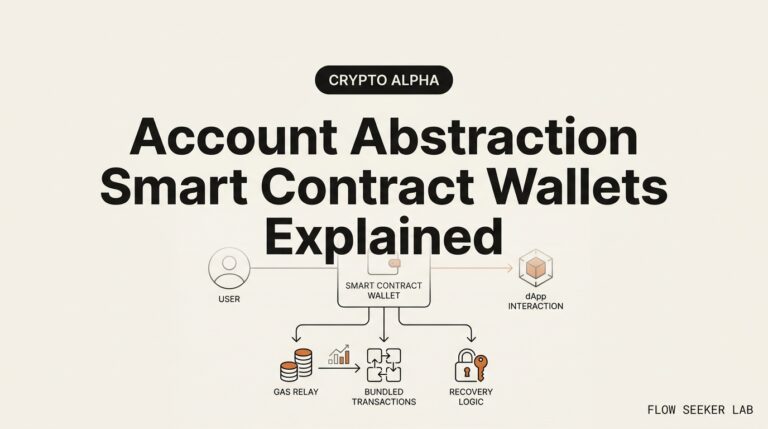
Account abstraction smart contract wallets explained for people who already own a normal wallet — the real UX gains, real gas costs, and a keep-both framework.
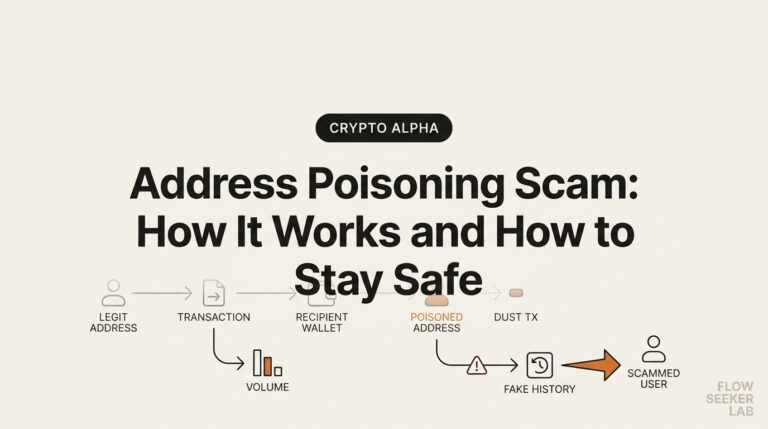
An address poisoning scam plants a look-alike address in your history so your next copy-paste sends real funds to a stranger. Here’s the map and the fix.
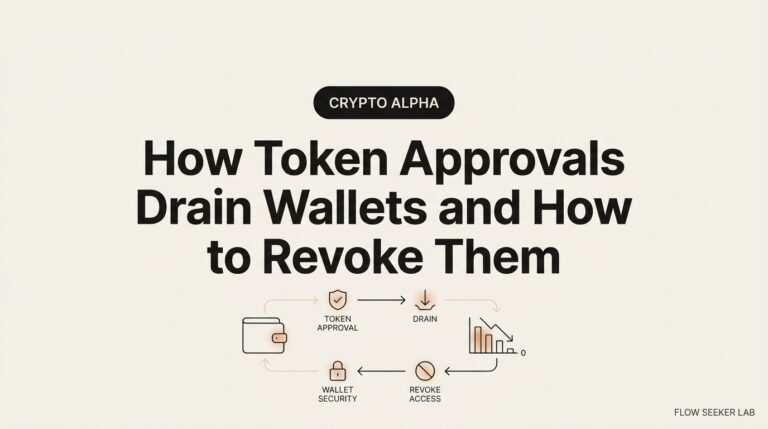
I thought disconnecting my wallet revoked access. It didn’t. Here’s how token approvals drain wallets, and a framework for which ones to revoke first.
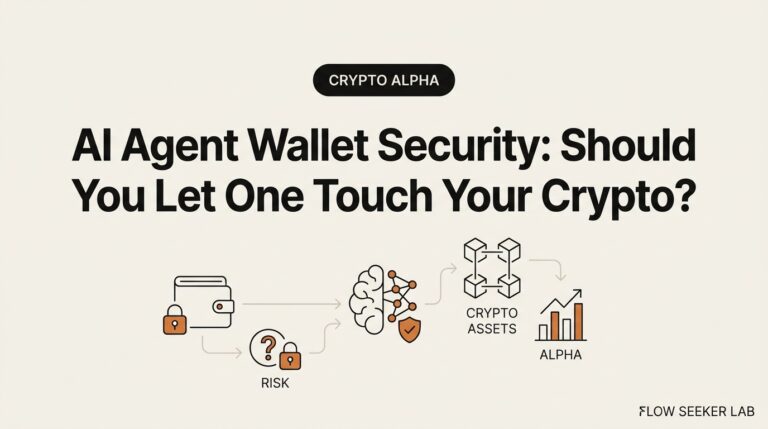
A non-developer’s decision framework for AI agent wallet security, built around the Grok/Bankr drain where no key was stolen — the agent was talked into it.
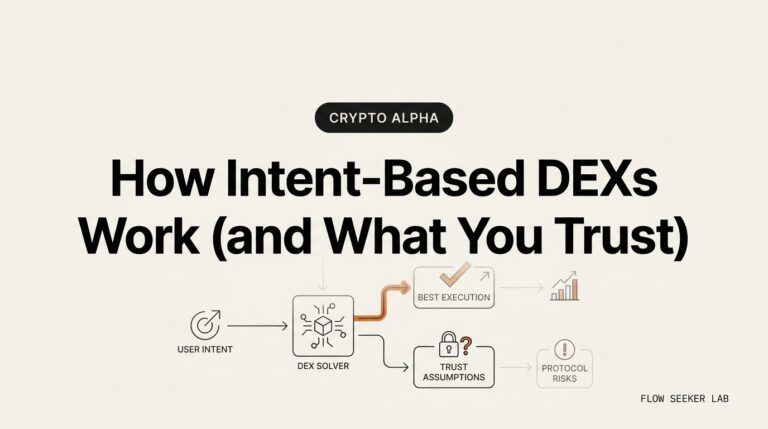
How intent-based DEXs work, for non-developers: solver competition, batch vs Dutch auctions, MEV claims, and what you trust when you sign an intent.
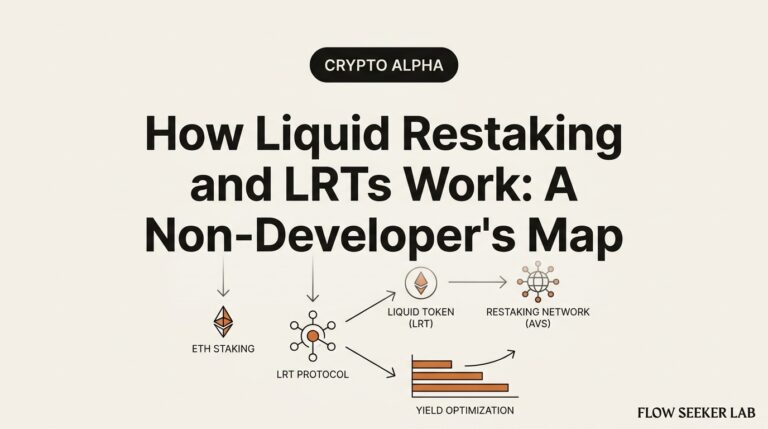
Here is how liquid restaking and LRTs work, drawn as a plain map for non-developers — plus the rehypothecation layer I got wrong before I saw the risk.
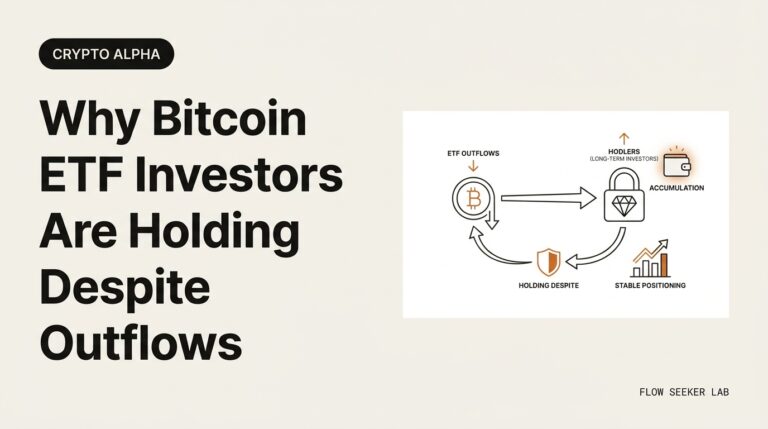
Why Bitcoin ETF investors are holding despite outflows: I separate the loud dollar number from the quiet share count, and share the three-line frame I run.
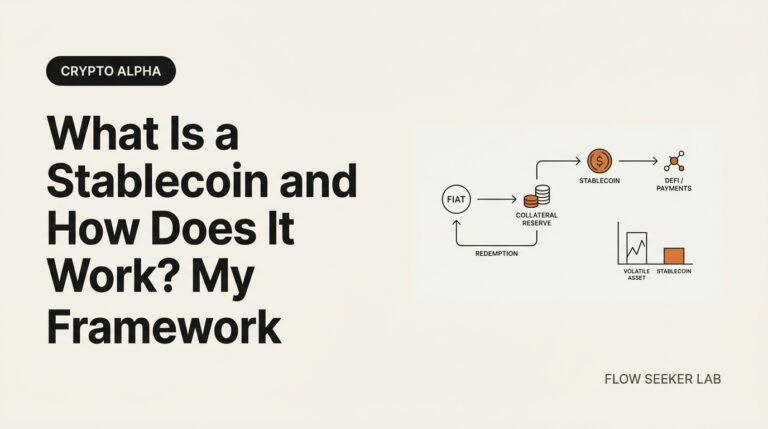
Asking what is a stablecoin and how does it work is the wrong question. Here is the three-question framework I run on any stablecoin before holding it.
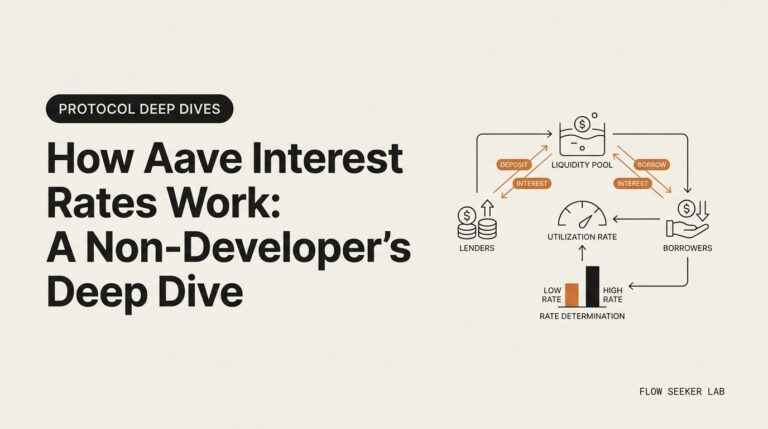
How Aave interest rates work, explained without code: the utilization curve, the kink, why your deposit APY moves, and a 5-minute check before you deposit.
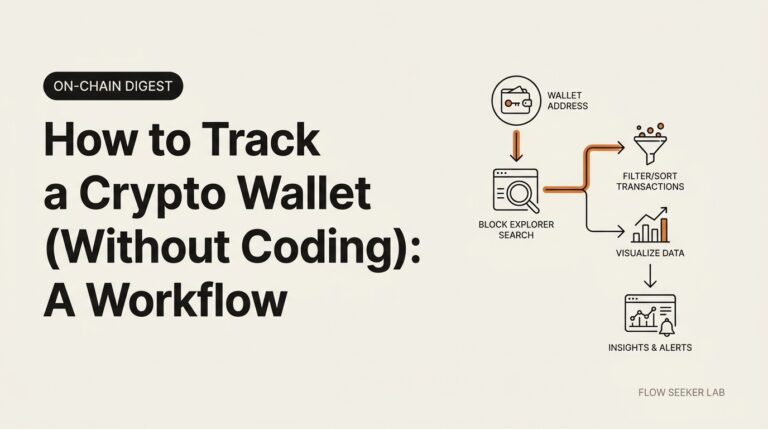
How to track a crypto wallet without coding: the free, no-code 4-step loop I run to find an address, read it on an explorer, and set alerts.